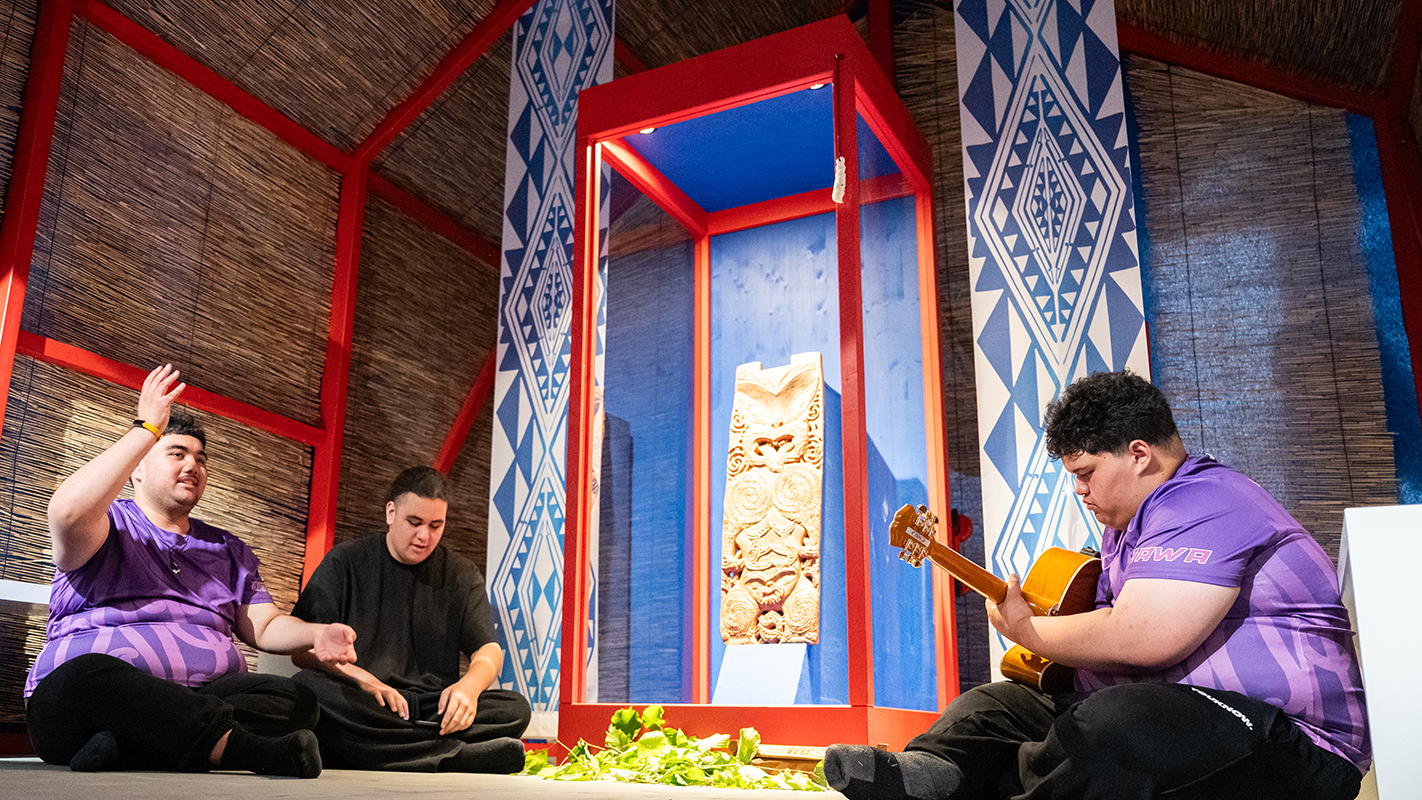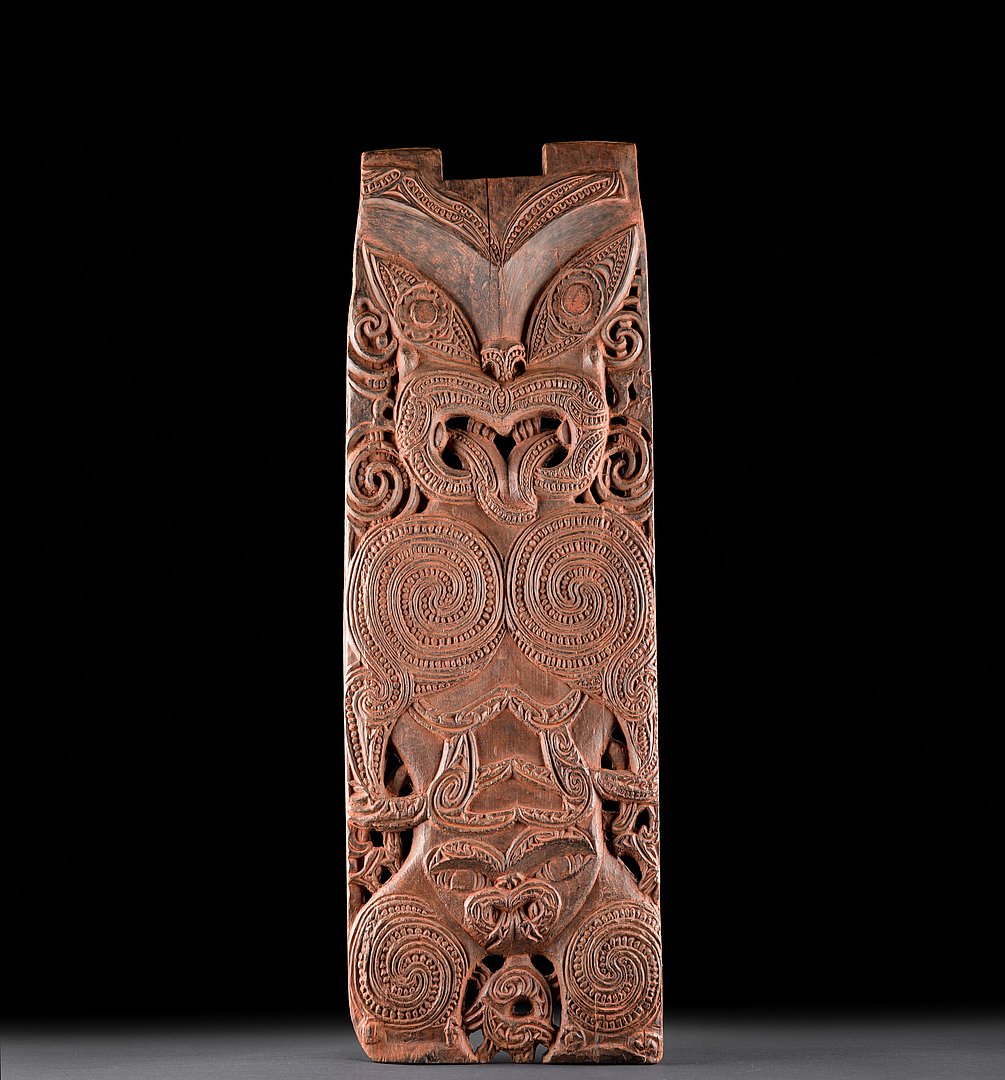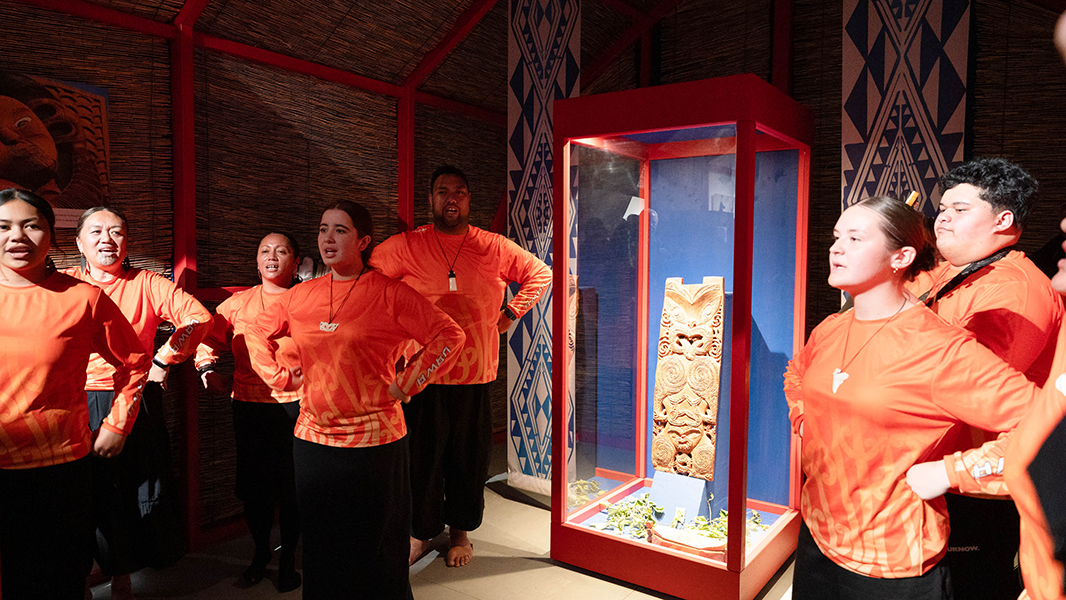

In der Restitutions-Debatte um Hinematioros Pou gibt es wunderbare Neuigkeiten: Nach langwierigem Abwiegen in den beteiligten Gremien hat die Universität Tübingen sich schließlich für die Restitution entschieden. Damit kann Hinematioros Pou zu ihrer sehnsüchtig wartenden Community, den Te Aitanga-a-Hauiti in Aoteoroa Neuseeland, heimkehren.
Das „Pou der Hinematioro“ genannte Ahnenbild verkörpert die lebendige Präsenz der Herrscherin Hinematioro. Sie lebte vor gut 250 Jahren, zur Zeit von James Cook erster Landung, in Neuseeland und galt als charismatische Führungsfigur. Der britische Seefahrer und seine Crew brachten das „Pou der Hinematioro“ 1771 nach London. Von dort gelangte es über Umwege in die Ethnologische Sammlung der Universität Tübingen. Die Universität Tübingen gibt es vermutlich im März an die Māori-Gemeinschaft Te Aitanga-a-Hauiti zurück.
„Wir freuen uns über die baldige Rückkehr des Pou nach Neuseeland“, sagt Professor Ernst Seidl, Direktor des Museums der Universität Tübingen MUT. „Für die Te Aitanga-a-Hauiti hat das Pou eine viel größere Bedeutung als für uns. Wir haben dieses Thema bei vielen Kulturgütern, forschen intensiv dazu und werden Rückgaben auch von anderen Kulturgütern in die Wege leiten, sobald die Herkunft geklärt ist.“
Über alle weiteren Entwicklungen halten wir Sie auf dem Laufenden!
---
In the ongoing debate surrounding the restitution of Hinematioro's Pou, there is wonderful news: after lengthy deliberations in the relevant committees, the University of Tübingen has finally ruled in favour of restitution. This means that Hinematioro's Pou can return home to her community of Te Aitanga-a-Hauiti in Aotearoa, New Zealand, who are eagerly awaiting her return.
The ancestral image, known as the 'Pou of Hinematioro', embodies the living presence of the ruler Hinematioro. She lived in New Zealand around 250 years ago, at the time of James Cook's first landing, and was considered a charismatic leader. In 1771, the British navigator and his crew brought the Hinematioro's Pou to London. From there, it found its way, via various detours, into the Ethnological collection of the University of Tübingen. The university is expected to return the Pou to the Māori community Te Aitanga-a-Hauiti in March.
'We are delighted that the pou will soon be returning to New Zealand,' says Professor Ernst Seidl, Director of the University of Tübingen Museum MUT. "The Pou has much greater significance for the Te Aitanga-a-Hauiti than it does for us. We are conducting in-depth provenance research on many cultural belongings, and we will initiate further returns as soon as their origin has been clarified.'
We will keep you informed of any further developments!